
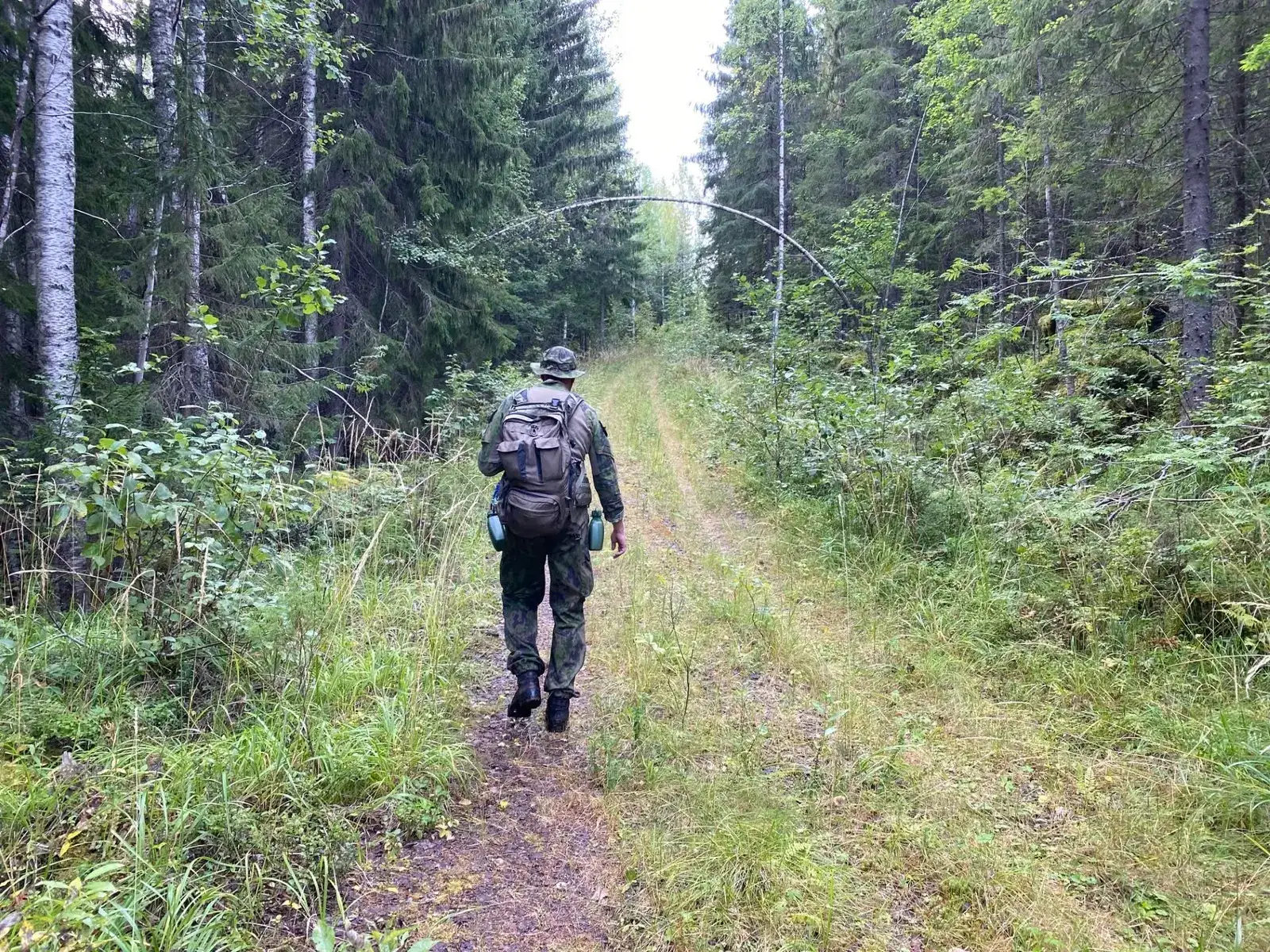
Understanding Everyday Preparedness
Preparedness begins with awareness. This page offers general, non-operational information about civilian preparedness in everyday life.
The association does not provide emergency response services. In an emergency in Finland, always call 112 and follow the guidance of the authorities.
What Preparedness Means
Preparedness is the ability to cope with unexpected situations such as power cuts, severe weather, or disruptions to water and communications. It is less about dramatic scenarios and more about calm, sensible habits.
Personal Responsibility
Each person can take reasonable steps to look after themselves and those close to them. Being prepared also frees public services to help those who need it most.
Reliable Information
In uncertain situations, rumours spread quickly. Rely on official sources such as authorities, public broadcasters, and emergency bulletins, and check information before sharing it.
Emergency Communication
Know how to reach emergency services, keep important phone numbers written down, and agree with family members how you will contact each other if networks are disrupted.
Household Readiness
Finnish authorities recommend that households can manage independently for at least 72 hours. Drinking water, non-perishable food, medicines, a battery radio, and a torch are a good starting point.
Basic Safety Awareness
Knowing where exits and fire extinguishers are, keeping smoke alarms working, and learning basic first aid are simple measures with real value.
Community Cooperation
Neighbours who know one another can check on the elderly, share information, and help in practical ways when normal services are interrupted.
Responsible Planning
Good plans are simple: think through likely situations, decide what you would do, and review the plan from time to time.
Understanding Official Guidance
Authorities publish guidance on preparedness and on how to act in specific situations. Following it ensures that individual actions support the wider response.
Preparedness and Everyday Life
Many preparedness habits are part of normal life, such as keeping a phone charged, carrying suitable clothing outdoors, and telling someone your plans before a hike.
Community Resilience
Resilience grows from trust, cooperation, and shared knowledge. Communities with strong connections recover more quickly from disruption.
Learning and Awareness
Preparedness knowledge is best kept up to date. Courses offered by recognized organizations and official guidance are good places to continue learning.